
Mail Us
baderco@batelco.com.bh
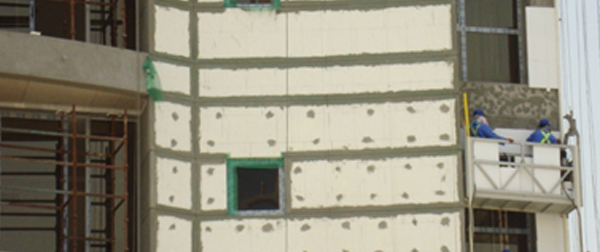
EIFS (Exterior Insulation and Finish Systems) is a multi-layer, non-load-bearing cladding system for building exteriors that provides insulation, weather protection, and a decorative finish in one integrated system. EIFS Industry Members Association +2 GlobalSpec +2 It’s often used both in new construction and for renovation, especially where energy efficiency, light weight, and design flexibility are important.
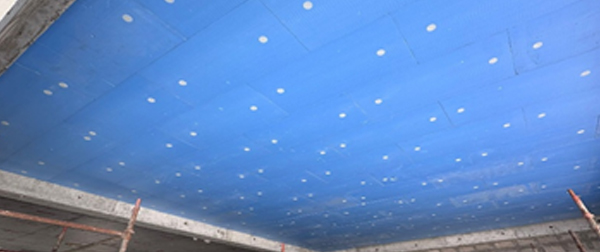
Soffit insulation refers to insulating these underside areas in order to improve thermal efficiency, fire resistance, acoustic control, moisture control, and sometimes aesthetics. It’s applied via batt boards, rigid panels, spray foam, etc., depending on the application.
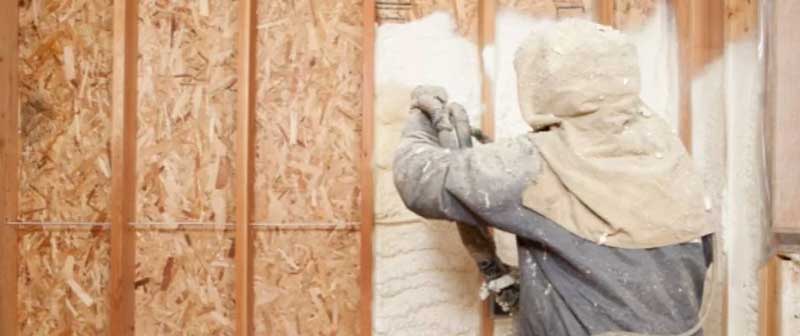
Enhance comfort, reduce energy bills, and protect your building with our expert wall insulation solutions. Whether you have cavity walls or solid walls, we provide a variety of insulation types—rigid boards, foam, mineral wool, or spray-in fills—designed to suit your structure and climate. Our installations are precise, moisture-aware, and code-compliant.
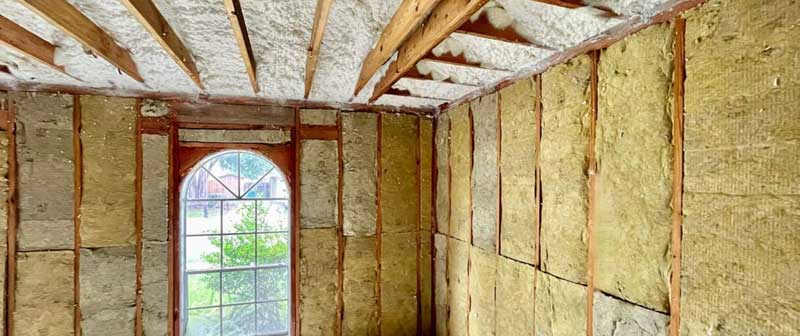
Rock wool (also called stone wool or mineral wool) is made by melting natural rocks (often basalt, diabase, or similar) and recycled materials (slag), then spinning the molten material into fine fibers. These fibers are formed into mats, batts, boards, or loose fill, which trap air and provide insulation.
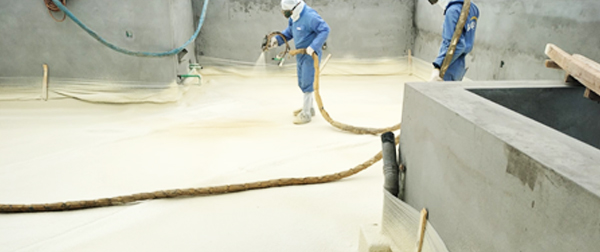
PU (Polyurethane) foam insulation is a high-performance thermal insulation system applied to roofs to reduce heat transfer and improve energy efficiency. It is typically spray-applied, forming a seamless, rigid insulating layer. PU insulation provides energy efficiencies such as, Reduces the load on air-conditioning systems, leading to lower energy consumption and electricity bill. Enhances overall building energy performance and sustainability ratings. They are commonly used in exposed roof systems, flat roofs.
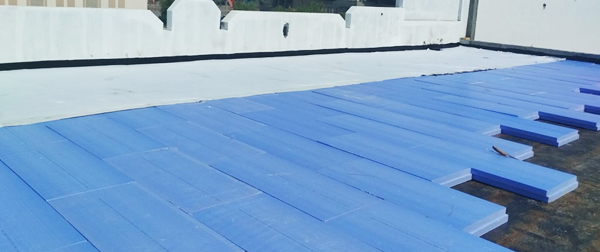
Extruded Polystyrene (XPS) insulation boards are rigid, closed-cell thermal insulation panels manufactured through an extrusion process, providing excellent compressive strength, moisture resistance, and thermal insulation. Reduces the load on air-conditioning systems, leading to lower energy consumption and electricity bills. Enhances overall building energy performance and sustainability ratings. They are commonly used in inverted roof systems, flat roofs.

